

Top Benefits of Living in a Loft Conversion
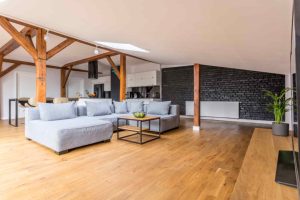
The benefits of a loft conversion include extra living space, a higher property value, more natural light and a new bedroom or office without the upheaval of moving. For homeowners across South London, converting an unused attic is often the most practical way to grow into a property rather than out of it.
What Makes a Loft Conversion So Popular?
A loft conversion turns an unused attic into a proper living space without changing the footprint or taking space away from the garden. That makes it an appealing option for homeowners who need more room but do not want to move. It is also why many people consider whether a loft conversion is worth doing before looking at a house move.
More Space Without Losing Garden Land
A loft conversion gives you more usable space without reducing the size of your garden. This can be particularly useful on the terraced and semi-detached streets common across South London, where outdoor space can already be limited.
A Practical Alternative to Moving
Stamp duty, agency fees and the stress of a move often outweigh the cost of converting, making a loft conversion a sound alternative to an extension or relocation for families settled in their area.
What Are the Main Benefits of a Loft Conversion?
The main benefits of a loft conversion include extra living space, the potential to increase property value, better natural light and less disruption than many ground floor extensions.
- An extra bedroom, home office or playroom without extending the footprint.
- Natural light from rooflights or dormer windows.
- Better energy efficiency when insulation is upgraded alongside the build.
- No loss of garden space.
- Less disruption to daily life than a ground floor extension.
Is a Loft Conversion Worth It for Property Value?
Yes, a loft conversion can be worth it, particularly if you need more space and want to add value to your home at the same time. Nationwide House Price Index research found that a loft conversion or extension adding a double bedroom and bathroom can increase a typical three-bedroom, one-bathroom home’s value by as much as 24%. Along with the extra living space, that potential increase in value makes a loft conversion an appealing home improvement for many UK homeowners.
What Does a Loft Conversion Cost, and Do You Need Planning Permission?
The loft conversion cost in the UK typically ranges from around £20,000 for a simple rooflight conversion to £60,000 or more for a larger dormer. London projects often sit towards the higher end of this range.
Most loft conversions do not need full planning permission because they can fall under permitted development rights, provided the proposed work stays within the relevant limits.
Loft Conversion Planning Permission Rules
Under the Town and Country Planning (General Permitted Development) (England) Order 2015, homeowners can add up to 40 cubic metres of extra roof space to a terraced house, or 50 cubic metres to a semi‑detached or detached house, without planning permission. Building regulations approval is still required in every case, covering structural strength, fire safety and insulation.
Ready to Add Space and Value with a Loft Conversion in South London?
If you are considering a loft conversion in South London, choosing an established local contractor can make the whole process easier to manage. Doran Bros Construction has over 30 years of experience delivering loft conversions and extensions across South West London, from initial design through to building regulations sign-off. Get in touch today for a free, no-obligation quote and find out how much space and value your loft could add to your home.
Frequently Asked Questions
What are the benefits of a loft conversion?
The main benefits of a loft conversion are extra living space, increased property value, more natural light and the ability to avoid the cost and disruption of moving house. It also makes use of an attic that would otherwise sit empty as storage.
Is a loft conversion worth it?
Yes, for most homes. A well-designed loft conversion that adds a bedroom and bathroom can increase a property’s value by up to 24%, according to Nationwide research, while giving the household extra usable space immediately.
Do I need planning permission for a loft conversion?
Most loft conversions do not need planning permission because they fall under permitted development rights, provided the extra roof space stays within 40 cubic metres for a terraced house or 50 cubic metres for a semi-detached or detached house. Listed buildings, flats and conservation areas usually require full planning permission, and building regulations approval is always needed regardless.
How much value does a loft conversion add?
Nationwide’s House Price Index research found that adding a double bedroom and bathroom through a loft conversion can add up to 24% to the value of a typical three-bedroom home, making it one of the highest-returning home improvements available.
How long does a loft conversion take to build?
A simple rooflight or Velux loft conversion typically takes 6 to 8 weeks to build, while a dormer conversion usually takes 8 to 12 weeks. Larger hip-to-gable or mansard conversions can take longer, on top of the design and any planning time beforehand.