

How to Plan a Successful House Extension in 2026
Planning a house extension in 2026 is less about taking risks and more about smart preparation. UK homeowners are facing tighter regulations, higher build costs, and a stronger focus on energy efficiency, so getting the planning stage right is important.
If you approach it properly, a well-planned extension can add long-term value, improve daily living, and avoid unnecessary stress. In this blog, we cover the key steps to planning a successful house extension in 2026.
What Planning a House Extension Really Involves in 2026
Planning a house extension means aligning your goals, budget, and property limitations before any work begins. In 2026, careful upfront decisions reduce delays and costly mid-build changes.
Before you think about builders or designs, these foundations need to be clear.
Understanding Your Goals and Long-Term Needs
A successful extension starts with purpose. Whether you need more family space, a home office, or a better flow. Think about how you actually live daily, like doing homework in the kitchen or working from the lounge, and how that might change in five to ten years.
Setting a Realistic Budget From the Start
Average house extension costs in 2026 typically vary by complexity and specification. Always include a contingency in your budget to cover unexpected costs and changes during the build.
Choosing the Right Type of House Extension
Rear, side return, and single- or double-storey extensions each suit different homes. The right choice depends on plot size, planning limits, and how much disruption you can manage.
UK House Extension Rules You Must Know Before You Start
UK house extension rules in 2026 remain strict but workable. Understanding the difference between planning permission and building regulations prevents legal and financial issues.
Here is where many homeowners trip up, often without realising it.
Planning Permission vs Permitted Development Rights
Many extensions fall under permitted development, but limits apply to size, height, and proximity to boundaries. Homes in conservation areas often face tighter controls.
Building Regulations and Structural Compliance
All extensions must meet building regulations covering structure, insulation, fire safety, and drainage. Approval is mandatory, even if planning permission is not required.
Party Wall Agreements and Neighbour Considerations
If your extension affects a shared wall or boundary, a party wall agreement is usually required. Addressing this early avoids disputes and project delays.
Smart Home Extension Planning Tips for Better Results
The best home extension planning tips focus on clarity, timing, and expert input. Small decisions early can save thousands later.
Once the legal side is clear, planning becomes practical.
Working With Designers and Structural Engineers
Professional design and calculations ensure your extension is safe, efficient, and buildable. Early technical input also speeds up approvals.
Creating a Clear Timeline and Build Schedule
Most extensions take 12–20 weeks to build once work starts. Planning around lead times for materials and approvals keeps expectations realistic.
Planning for Energy Efficiency and Future Standards
Improved insulation, high-performance glazing, and efficient heating systems help meet modern standards and reduce long-term running costs.
House Extension Ideas for 2026 That Add Real Value
House extension ideas in 2026 prioritise usable space, natural light, and flexibility. Value now comes from how well a space works, not just how it looks.
Good ideas are not about trends alone; they are about how the space lives. You should consider:
Open-Plan Living With Zoned Spaces
Zoned layouts create openness while still allowing separation for work, dining, and relaxation.
Indoor-Outdoor Connections and Natural Light
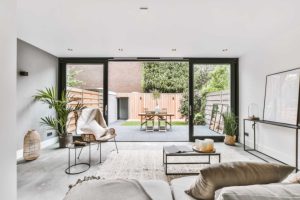
Large glazing, roof lights, and seamless garden access remain popular for improving light and wellbeing.
Multi-Use Rooms and Flexible Layouts
Rooms that adapt between office, guest space, or playroom add long-term practicality and resale appeal.
Why Local Expertise Matters for House Extensions in South West London
Local expertise is essential when planning a house extension in South West London, as borough planning policies, period property types, and approval expectations vary. Experienced local builders reduce refusals, manage structural challenges, and deliver smoother, faster projects through proven council and site knowledge.
Plan Your House Extension with Doran Bros Construction
If you are thinking about planning a house extension in 2026, expert guidance makes all the difference. Get in touch with Doran Bros Construction today for expert advice, honest timelines, and trusted house extension expertise across South West London.
Let us help you turn your vision into a practical, beautiful, and future-proof home extension.
Frequently Asked Questions
Do I need planning permission for a house extension in 2026?
Not always. Many extensions fall under permitted development, but size, location, and conservation rules matter. Always check early to avoid delays or redesigns.
How do I know if my budget is realistic before I start?
A realistic budget includes build costs, professional fees, and a 10–15 per cent contingency. Getting early advice from a builder helps align expectations with real market costs.
When should I involve a builder during the planning stage?
As early as possible. Early builder input helps spot cost issues, construction challenges, and planning risks before they become expensive problems.
How long does a typical house extension take from planning to finish?
From early planning to completion, most extensions take six to nine months. This includes design, approvals, and a 12–20 week build period.
Is it worth planning for energy efficiency now or upgrading later?
It is better to plan energy efficiency from the start. Upgrading insulation, glazing, and heating during the build is far cheaper than retrofitting later.