

Conservatory vs Extension: What’s the Difference?
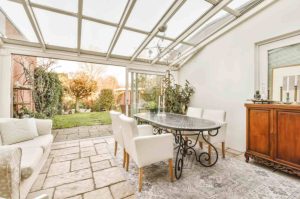
Running out of space but not ready to move? Many homeowners face the choice between adding a quick conservatory or investing in a full extension.
A conservatory is a lower-cost glass structure, while a house extension is a fully insulated, permanent addition designed for everyday living. The right option depends on your budget, lifestyle, and long-term plans.
If you’re considering house extensions in South London or South West London, understanding this difference helps you invest wisely. In this blog, we break it down clearly so you can make the right choice for your home.
What Is the Main Difference Between a Conservatory and an Extension?
The main difference is that conservatories are lightweight and glass-heavy, while extensions are solid, insulated, and integrated into your home. Extensions provide better comfort, durability, and year-round use.
What Is a Conservatory?
A conservatory is a glass-enclosed addition designed to maximise natural light and create a bright, garden-facing space.
Key Features of a Conservatory
Conservatories are typically lightweight structures built with large glass panels and minimal brickwork.
- High glass ratio for maximum light.
- Faster and simpler installation.
- Lower upfront cost.
Pros and Cons of a Conservatory
Conservatories are ideal for quick upgrades but have limitations in comfort.
Pros:
- More affordable than extensions.
- Quick to build with minimal disruption.
- Great for relaxing or garden views.
Cons:
- Too hot in summer, too cold in winter.
- Limited year-round usability.
- Lower impact on property value.
What Is a House Extension?
A house extension is a permanent structural addition built using brick, steel, and insulation to match your existing property.
Key Features of a House Extension
Extensions are designed to feel like a seamless part of your home.
- Fully insulated walls and roofing.
- Matches existing architecture.
- Suitable for kitchens, bedrooms, or living spaces.
Pros and Cons of a House Extension
House extensions offer long-term value but require greater investment.
Pros:
- Comfortable all year round.
- Improves energy efficiency.
- Adds significant property value.
- Flexible layouts for modern living.
Cons:
- Higher upfront cost.
- Longer construction time.
- May require planning permission.
Conservatory vs. Extension: Which Is Better for Your Home?
The better option depends on how you want to use the space and your future plans.
Cost Comparison
Conservatories are more budget-friendly upfront, while extensions require higher investment but deliver stronger long-term returns.
Planning Permission and Regulations
Conservatories often fall under permitted development, while extensions may require approval, depending on size and design. Always check official guidance for current UK rules.
Long-Term Value and Comfort
Extensions outperform conservatories in insulation, usability, and resale value, making them a more practical long-term solution.
Why Homeowners in South London Are Choosing Extensions
Many homeowners in South London are choosing extensions as a more cost-effective alternative to moving, especially with rising property prices. They maximise living space while also increasing property value, making them a smart long-term investment.
Extensions also allow you to customise your space fully, whether that’s a modern kitchen, an open-plan living area, or an extra bedroom designed around your needs.
Conservatory or Extension: Which Should You Choose?
Choose a conservatory if you want a quick, cost-effective space mainly for seasonal use. Choose an extension if you need a fully functional room that enhances comfort, usability, and long-term value.
Transform Your Home with Doran Bros Construction Today
If you’re planning house extensions in South West London, choosing the right team is essential to getting it right the first time.
At Doran Bros Construction, we specialise in designing and building high-quality extensions that blend seamlessly with your home while meeting modern living needs. From planning to completion, we focus on quality, transparency, and lasting results.
Ready to turn unused space into a fully functional, high-value part of your home? Contact us today for a consultation and take the first step towards a better living space.
Frequently Asked Questions
Is a conservatory cheaper than an extension?
Yes, a conservatory is usually cheaper upfront because it uses lighter materials and simpler construction. However, an extension offers better long-term value, usability, and energy efficiency for daily living.
Which adds more value to a house in the UK?
A house extension typically adds more value because it becomes a permanent part of the home. Buyers prefer fully usable, insulated spaces over seasonal conservatories when assessing property worth.
Do I need planning permission for a conservatory or extension?
Many conservatories fall under permitted development, but extensions often require approval depending on size and design. It’s best to check local rules before starting any building work.
Can I use a conservatory all year round?
Not comfortably in most cases. Conservatories tend to be too hot in summer and too cold in winter unless upgraded with proper insulation, glazing, and heating solutions.
Is an extension better than a conservatory for modern homes?
Yes, extensions suit modern living better because they provide fully functional, insulated space. They are ideal for kitchens, living areas, or bedrooms used throughout the year.
How long does it take to build a conservatory vs an extension?
A conservatory can take a few weeks to complete, while an extension usually takes several months due to structural work, approvals, and finishing requirements.